Halloween Pumpkin: A Designer’s Review for Personalized Gifts
As an embroidery designer who spends days testing machine embroidery designs for a busy personalized gift shop, I’ve learned to spot which designs will sell and which will cause headaches. When the Halloween Pumpkin crossed my desk, I was curious. The product description mentions “two distinct ways to celebrate the season”—a richly detailed harvest pumpkin with intricate shading, curling vines, and a second spooky ghost companion. This review will walk you through my real-world testing process, covering how Halloween Pumpkin performs on different products, what customers love, and where you need to be careful as a seller.
First Impressions: Mood, Charm, and Detail Level
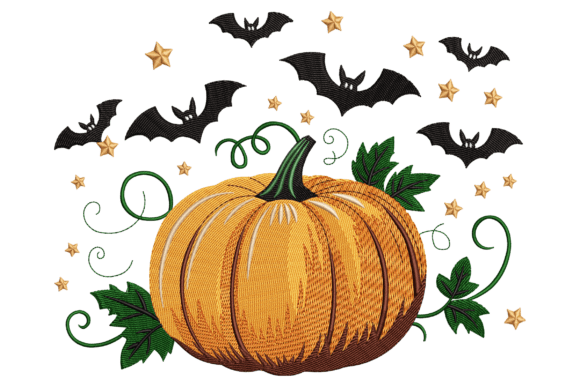
Opening the Halloween Pumpkin embroidery file, I was struck by its warmth. The pumpkin is not a flat, cartoonish shape—it has depth. The shading gives it a rich, harvest feel that pairs beautifully with autumn color schemes. The curling vines add movement, and the ghost companion is playful without being scary. This design hits a sweet spot between classic fall elegance and lighthearted halloween fun. For personalized gift shops, this is gold. It appeals to customers who want seasonal decor that feels handmade and charming, not kitschy.
The overall mood is cozy and festive. It would work for a baby’s first Halloween onesie or a rustic pillow for a front porch. The design’s emotional pull comes from its versatility—it can be sweet for children, sophisticated for adults, and nostalgic for anyone who loves autumn traditions. As a machine embroidery design, it’s detailed but not overwhelming, which makes it attractive for both experienced embroiderers and newcomers selling on Etsy.
Best Uses for Halloween Pumpkin in a Gift Shop
I tested Halloween Pumpkin on several popular product blanks to understand its real-world potential. Here’s where it shines:
- Baby embroidery – The pumpkin and ghost read as playful, not frightening. Stitched in soft orange and grey on a baby blanket or bib, it becomes a sweet seasonal keepsake. Parents love customizing with the baby’s name in a small, clear font above the design.
- Embroidered towels – Kitchen towels with a fall pumpkin are a bestseller for craft fairs. The shading holds up well on terry cloth when hooped correctly, and the vines add a nice visual frame for monograms.
- Pillow covers – A 14-inch hoop is ideal for a lumbar pillow. The design’s detail level looks premium on cotton or linen. Customers often order these as wedding gifts for autumn brides—pairing the pumpkin with “Mr. & Mrs.” text.
- Tote bags and aprons – Canvas totes and barista aprons are popular with Etsy sellers. The design’s density works on medium-weight fabric; just be cautious with very thick woven cotton.
- Blanket embroidery – For a baby blanket or throw, the design’s moderate stitch count means it won’t pucker fleece or minky fabric too badly if you use a tear-away stabilizer.
- Nursery decor – The ghost companion is surprisingly cute in a crib mobile or wall hanging. Parents love non-scary halloween designs, and this delivers.
- Craft fair products – Small items like coasters, ornaments, or mini hoops become quick sellers. The design’s compact size allows multiple placements.
- Custom order previews – Because the design has clear shapes and shading, it photographs well in printable mockups. Customers can easily imagine the finished product.
Where to Be Careful: Design Limitations
No design is perfect for every product. Halloween Pumpkin has details that require attention, especially if you’re new to commercial embroidery. Here are the areas I flagged during testing:
- Small lettering – The vines and ghost outlines are thin. If you try to add a tiny name inside the pumpkin or on the ghost, lettering below 0.3 inches can become a blur of stitches. Always test on scrap fabric first, and consider placing text outside the design.
- Delicate details – The shading relies on short, dense stitches. On high-pile fabrics like thick towels or fleece, those stitches can sink into the nap and lose definition. Use a water-soluble stabilizer on top to keep them crisp.
- Stretchy baby clothes – Onesies and knitwear require careful hooping. The design’s moderate density can cause stretching if the fabric isn’t stabilized well. I recommend a cut-away stabilizer for knits and a hoop with a tight grip.
- Dark fabric – The pumpkin uses orange and brown tones. On black or very dark backgrounds, those colors may not pop unless you use a lighter underlay or white bobbin thread. Always stitch a sample on the same fabric before accepting a custom order.
- Frequent washing – Products like kitchen towels and baby blankets will be washed often. With high stitch density, the thread can wear or shrink if the stabilizer isn’t trimmed properly. For towels, use a wash-away stabilizer on top and a tear-away behind to reduce stiffness.
How Halloween Pumpkin Affects Giftability and Perceived Value
When a customer walks into a small shop or browses Etsy, they’re looking for something that feels special. Halloween Pumpkin raises the perceived value of any item because it looks like it took time and skill. The intricate shading suggests a high-quality personalized gift, not a mass-produced iron-on patch. In my experience, designs with this level of detail justify higher price points—you can charge $25–$35 for an embroidered hand towel when customers see the artistry.
Customer trust also increases when a design photographs well. The pumpkin’s dimensional look looks stunning in product photography. Sellers can create lifestyle images that show the design on a porch pillow or baby gift, which drives buyer engagement. The emotional connection is strong because the design celebrates a seasonal memory—pumpkin patches, crisp air, family traditions. That resonates with buyers looking for meaningful custom embroidery.
For Etsy sellers, this design is a reliable option for seasonal bundles. Pair it with a matching ghost for a “spooky twin” set, or offer it as a monogrammed gift for new parents. The fact that it works on both baby items and home decor means you can cross-sell across your shop.
Practical Embroidery Notes for Your Shop
Before you offer Halloween Pumpkin to customers, follow these steps I use in my own workflow:
- Test on scrap fabric. Stitch the design on the exact material you plan to sell (cotton, towel, knit, canvas). Note how the shading behaves and whether any details distort.
- Check thread color contrast. The pumpkin uses orange, brown, and maybe green for the vine. On a white or cream background it pops beautifully. On a printed fabric, test a thread swap to ensure the pumpkin doesn’t blend into the pattern.
- Confirm hoop size. The design may fit a 4x4 hoop, but check the file dimensions. If you need a larger hoop for placement, adjust your layout and test again.
- Review stitch density. I don’t have the exact count, but run a simulation in your software. If over 12,000 stitches, consider using a heavier stabilizer to prevent puckering.
- Use proper stabilizer. For most fabrics: medium cut-away for knits, tear-away for wovens, and water-soluble topper for towels. The shading needs stability to stay crisp.
- Compare light and dark fabric mockups. Create a digital mockup in your software or use a printable mockup to show customers how the design adapts. This reduces returns due to color mismatch.
- Check small details after stitching. After washing, examine the vines and ghost outline for skipped stitches or thread breaks. If the design has any pull, adjust your tension or underlay settings.
- Confirm commercial licensing. Before selling finished products, verify that the embroidery file includes a commercial use license. Some designers restrict use on items sold in multiples—check your purchase terms to stay compliant.
Final Thoughts: A Solid Choice for Handmade Sellers
Halloween Pumpkin has earned a spot in my active collection. It offers two complementary motifs—the harvest pumpkin and the spooky ghost—that cover both ends of the halloween spectrum. The detail level is high enough to impress buyers but not so complex that it becomes a technical nightmare. For personalized gift shops, baby embroidery makers, Etsy sellers, and small shop owners, this design provides excellent giftability and customer appeal. Just remember to test thoroughly, especially on textured or dark fabrics, and always confirm licensing before stitching for sale. With those precautions, you can confidently add Halloween Pumpkin to your product lineup and watch your autumn orders grow.