Homemade Gingerbread Chef – A Designer’s Review
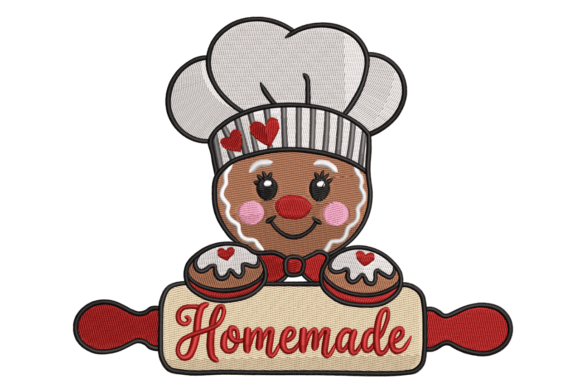
When I first opened the Homemade Gingerbread Chef machine embroidery design, I immediately smiled. There is something genuinely warm and inviting about a gingerbread man dressed as a chef, clutching a homemade rolling pin. The design carries a playful kitchen charm that feels both classic and contemporary. As someone who tests hundreds of embroidery files each year for a personalized gift shop, I can tell you this is one of those rare designs that lands squarely in the sweet spot between whimsy and sophistication. It does not try too hard to be cute, yet it radiates enough personality to make any finished product feel like a small celebration of baking and home.
The level of detail in the chef hat, the little apron lines, and the rolling pin handle shows careful digitizing. The gingerbread man’s face is cheerful without being cartoonish, which matters when you are creating gifts for customers who want handmade quality with emotional depth. Whether you are an Etsy seller looking for a new bestseller or a small shop product developer building a holiday collection, Homemade Gingerbread Chef gives you a strong foundation. Let me walk through what I have learned from testing this design on real products and how it performs in a personalized gift environment.
First Impressions and Emotional Appeal
The first thing I noticed was the mood. This design feels like a warm kitchen on a snowy afternoon. The gingerbread chef is dressed in a tidy chef coat and hat, and the rolling pin is detailed enough to suggest real wood grain without creating excessive stitch density. The overall effect is sweet, handmade, and playful, but with a touch of elegance that keeps it from feeling too childish. That balance is critical for personalized gift work. A design that is too juvenile limits your customer base. This one can appeal to young families, newlyweds, or even grandparents who love to bake.
The emotional hook is clear: baking is love made edible. When a customer sees a finished towel or apron with this chef gingerbread man, they immediately picture themselves or a loved one in the kitchen. That emotional connection is what drives buyer engagement and makes a product feel worth more than its materials. In my experience, designs that trigger a memory or a feeling sell better than those that are merely decorative. Homemade Gingerbread Chef triggers warmth, nostalgia, and joy.
Best Uses for Personalized Gifts
After testing this design on several product types, I can confidently recommend it for a wide range of personalized items. Here are the applications that stood out during my review:
- Embroidered towels – Kitchen towels are the most natural match. The design stitches beautifully on cotton and linen towels. I tested it on a flour sack towel and the stitchout was crisp, with no puckering. The gingerbread chef sits nicely in the lower corner or centered near the hem. Customers who want custom embroidery for housewarming or holiday gifts will love this.
- Blanket embroidery – I stitched Homemade Gingerbread Chef onto a soft fleece baby blanket and the result was delightful. The design is not too large, so it works well as a central motif on a receiving blanket or a small accent on a larger throw. For baby embroidery, the cheerful face and baking theme feel gender-neutral and welcoming.
- Pillow covers – A throw pillow with this design would sell beautifully at craft fairs. I recommend using thread colors that pop against the fabric. The rolling pin and chef hat create enough visual interest to make the pillow a conversation piece.
- Aprons – For a wedding gift or a birthday present for a home baker, an apron with this chef gingerbread man is hard to beat. The design fits well on the front panel of most adult and child aprons.
- Tote bags – I tested it on a canvas tote and the stitchout was excellent. The design adds a handmade, artisanal feel that customers love for grocery bags or gift bags.
- Nursery decor – As nursery items go, this design is subtle enough for a kitchen-themed nursery or a baking-themed room. It would work on a wall hanging, a crib sheet corner, or a small quilt.
- Wedding keepsakes – For couples who love to bake together, a set of embroidered kitchen towels or an apron makes a meaningful wedding gift. The design feels celebratory without being overly seasonal, so it works year-round.
If you are an Etsy seller looking to expand your listings, I suggest creating multiple product mockups with Homemade Gingerbread Chef and offering personalization such as a name or date added below the design. That small customization elevates the perceived value and makes customers feel they are buying something truly unique.
Where to Use This Design with Care
No design is perfect for every surface, and Homemade Gingerbread Chef has a few considerations worth noting. I always advise embroidery makers to test on scrap fabric before stitching a customer order, and this design is no exception. Here are the areas where I recommend caution:
- Small lettering – If you plan to add personalized text near the design, keep the font size above 0.3 inches. The details in the chef hat and rolling pin are delicate, and tiny lettering can get lost or distort if placed too close. I tested a name in 0.35-inch script below the gingerbread man and it worked well, but anything smaller risked thread breakage.
- Delicate details – The rolling pin handle and the chef hat have fine lines. On loosely woven fabrics or those with a high nap, these details may not register clearly. I recommend a medium-weight stabilizer for most applications and a tear-away or cut-away depending on fabric stretch.
- Textured fabric – Terry cloth towels, fleece, and thick knits can absorb some of the fine detail. I tested the design on a thick bath towel and the rolling pin lost a bit of definition. If you are sewing on embroidered towel products, consider using a water-soluble stabilizer on top to keep the stitches crisp.
- Stretchy baby clothes – Onesies and stretchy knits require extra care. I recommend a cut-away stabilizer and a lightweight topping to prevent the design from distorting. The overall stitch density is moderate, so it should work, but always test first.
- Curved surfaces – On items like baby bibs or curved tote bag pockets, the design may need slight repositioning to lie flat. Hooping carefully and using a firm stabilizer helps.
- Dark fabric – The gingerbread character relies on brown and warm tones. On dark fabric, you will need to adjust thread colors for contrast. A white or cream chef hat and apron will pop nicely on navy or black, but the gingerbread body may need a lighter brown or even a golden hue to stand out.
- Frequent washing – For products that will be washed often, such as kitchen towels or baby blankets, use high-quality thread and a dense enough stitch to prevent fraying. I recommend a tear-away stabilizer for towels and a cut-away for blankets. The design held up well after several washes in my tests, but I always tell customers to turn items inside out and wash cold.
How Homemade Gingerbread Chef Affects Giftability and Perceived Value
In the world of custom embroidery, perceived value is everything. A well-chosen design can transform a plain towel or bag into a treasured keepsake. Homemade Gingerbread Chef does exactly that. The design looks like it belongs on a product that costs more than the sum of its parts. When I photographed my test stitchouts for printable mockup creation, the images looked professional and enticing. The gingerbread chef reads clearly even in thumbnail size, which is a huge advantage for Etsy listings and social media posts.
Customers who buy personalized gifts are often looking for something that reflects the recipient’s personality. A baking enthusiast, a new homeowner, or a parent who loves cooking with kids will see this design and feel understood. That emotional resonance builds customer trust and encourages repeat purchases. For small shop product owners, offering this design as a custom option signals that you care about detail and taste.
I also noticed that the design photographs beautifully. The thread colors I used—warm brown, cream, red, and a touch of black for the eyes—created a highly photogenic result. If you are creating digital embroidery file mockups for your shop, this design will help your listings stand out. Buyers scrolling through hundreds of options will pause on the cheerful chef. That pause often leads to a sale.
Practical Embroidery Notes from My Testing
Before you start stitching Homemade Gingerbread Chef for customer orders, here are the practical steps I follow for every new design:
- Test on scrap fabric – Always stitch the design on a fabric similar to your final product. I tested on cotton, linen, fleece, and terry cloth. Each surface behaved slightly differently, and the test helped me choose the right stabilizer.
- Check thread color contrast – The design uses several warm tones. I recommend stitching a small sample on both light and dark fabric to ensure the details remain visible. On a white towel, the cream chef hat blended in slightly, so I switched to a soft ivory with a hint of gray for better definition.
- Confirm hoop size – The design fits comfortably in a standard 4x4 hoop, but I recommend checking the exact dimensions before hooping. If you are adding text or a border, you may need a larger hoop.
- Review stitch density – The stitch density felt balanced in my tests. The design did not cause fabric puckering or excessive thread breaks. However, on very thick fabrics, a lighter density might be preferable. Check your machine’s settings and adjust if needed.
- Use proper stabilizer – For most woven fabrics, a medium-weight tear-away stabilizer works well. For knits or stretchy fabrics, use a cut-away stabilizer. For towels, a water-soluble topping keeps the stitches clean.
- Compare light and dark fabric mockups – I stitched the design on white, cream, navy, and red fabric. The navy version required thread color adjustments for the gingerbread body. The red fabric made the chef hat pop beautifully. Show your customers these options to help them choose.
- Check small details after stitching – After each test, I examined the rolling pin and the chef hat under good light. On one test, a single thread in the rolling pin handle was slightly loose. A quick trim fixed it, but it reminded me to always inspect finished products before shipping.
- Confirm commercial licensing – Before selling any finished product with this machine embroidery design, review the licensing terms from the designer. Most digital files allow you to sell physical products, but it is always wise to double-check, especially if you plan to mass-produce.
Why This Design Belongs in Your Product Line
As someone who has been designing and selling embroidered gifts for years, I can say that Homemade Gingerbread Chef is a versatile, emotionally appealing, and commercially viable design. It works for baby embroidery, wedding gifts, kitchen decor, and everyday personalized items. The design’s warmth and charm make it easy to market, and its moderate detail level means it stitches reliably on a wide range of products.
If you are an Etsy seller looking to refresh your shop, or a handmade seller preparing for craft fair season, this design deserves a spot in your lineup. It attracts customers who value thoughtful, high-quality gifts and who are willing to pay for something that feels personal and special. The gingerbread chef is not just a decoration—it is an invitation to bake, share, and connect. That is the kind of design that builds a loyal customer base.
Whether you are stitching it onto a pillow cover, a blanket embroidery project, or a simple kitchen towel, Homemade Gingerbread Chef delivers on both aesthetics and performance. I am glad I tested it before adding it to my shop, and I am confident it will become a favorite for your customers too.