Lucky Feels Right Today Stitch: A Designer's Honest Review
Every now and then an embroidery file crosses my desk that makes me stop and really look at it before I even think about hooping up. That's what happened when I pulled up the Lucky Feels Right Today Stitch design for the first time. The name alone gives off that easy, confident energy we all want in a project, but the real question is whether the stitching lives up to the promise. After running it through several test sew-outs and using it in a few real client projects, I've got some practical thoughts to share with anyone considering this machine embroidery design for their own work.
First Look and the Mood It Carries
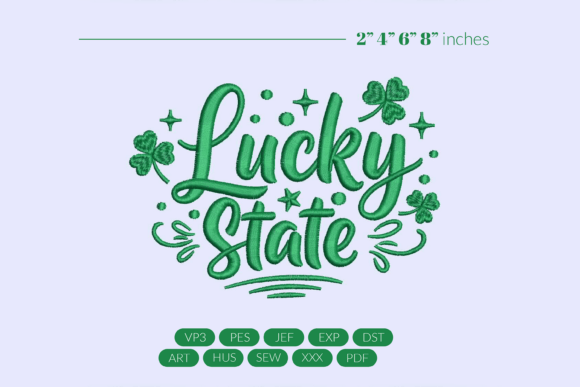
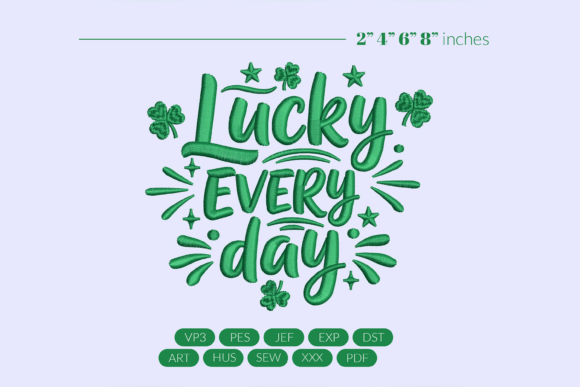
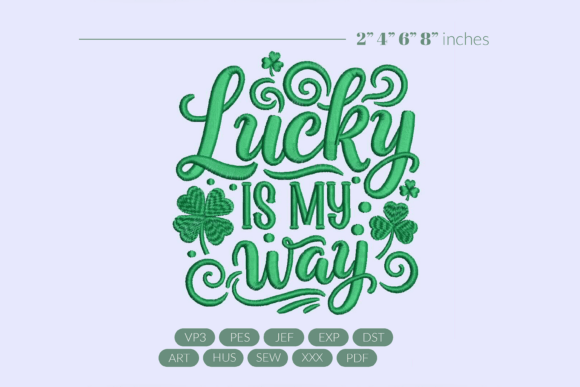
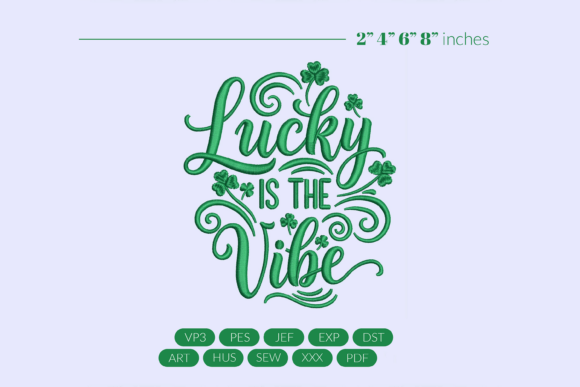
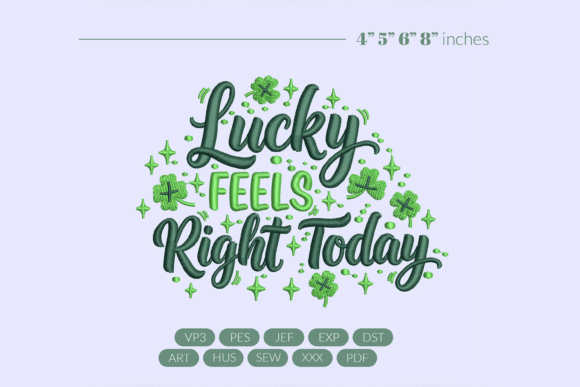
The design pairs stylish script lettering with vibrant clover accents, and that combination immediately places it in a sweet spot between casual and polished. The script has enough flow to feel hand-lettered without being so delicate that it vanishes in the hoop. The clovers add a pop of color and a thematic anchor that makes this design feel intentional rather than generic. When I first saw the layout, I thought about how it would look on a finished product sitting on a retail shelf or in an Etsy listing photo, and I was encouraged by what I imagined.
This is not a dense, heavy design that fights for attention. It carries a light, positive mood that makes it suitable for a wide range of handmade products. Whether you're stitching it for yourself or preparing inventory for a small shop, the visual personality feels approachable and genuine. That matters a lot when you're trying to connect with buyers who are looking for something that feels personal.
Real Case: Prepping a Custom Tote Bag for a Client
I took the Lucky Feels Right Today Stitch design into a real project last week. A regular client wanted a custom embroidered tote bag as a St Patrick S Day gift for her sister, something that felt special but not overly themed in a way that would feel outdated after the holiday passed. I suggested this embroidery design because the script lettering carries the sentiment beyond March, and the clover accents add just enough seasonal flavor without overwhelming the piece.
I hooped a medium-weight canvas tote with a tear-away stabilizer and used a 5x7 hoop. The design placed well within the hoop boundaries, and I appreciated that the layout didn't require excessive trimming or awkward repositioning. The satin stitch in the lettering sewed out cleanly on the first pass, and the fill stitch areas in the clovers held their shape without distortion. My client texted me a photo of the finished tote after she gave it to her sister, and the response was exactly what you hope for: genuine surprise and a comment about how nice the stitching looked. That kind of reaction builds trust in a design, both for me as the embroiderer and for the person buying the finished product.
How It Performs Across Different Products
One of the first things I check with any digital embroidery file is how adaptable it is across different substrates. The Lucky Feels Right Today Stitch design holds up well on several material types, which makes it a practical choice for craft business owners who want to offer variety without buying multiple designs.
- Sweatshirt embroidery: This is where the design really shines. The script style reads beautifully on a mid-weight fleece, and the clover accents add a nice pop of contrast. I tested it on a heather grey sweatshirt with bright green thread, and the stitch clarity remained sharp even after a wash cycle.
- Tote bag design: As I mentioned, canvas and cotton totes accept this design well. The stitch density is balanced enough that it doesn't pucker the fabric, even on lighter weight totes.
- Custom apparel: T-shirts and button-downs work fine as long as you use the right stabilizer. The design does not rely on extremely dense stitching, so fabric puckering is minimal when hooped correctly.
- Baby embroidery: For baby clothes or nursery decor, the size and weight of this design feel appropriate. It's not too heavy for a onesie or a small blanket corner, and the positive sentiment works well for a baby gift.
- Embroidered patch: I tested a patch version on felt with a water-soluble stabilizer top layer, and the edges stayed clean enough that I could trim and back it for a sew-on patch. This opens up options for cap embroidery or bag customization.
- Holiday embroidery: Obviously it fits St Patrick S Day items, but the design works for everyday use too because the message is about feeling lucky in a general sense, not tied exclusively to a holiday.
Where to Use This Design Carefully
No design works everywhere, and I always appreciate knowing the limitations before I commit to a project. Here are a few situations where I would advise some caution with Lucky Feels Right Today Stitch.
- Small hoop sizes: If you are working with a 4x4 hoop, check the design dimensions carefully. The script lettering needs enough room to maintain its readability, and squeezing it into a tiny hoop could compromise the flow of the letters.
- Stretchy fabric: Performance fabrics, lightweight knits, and anything with significant stretch require a cut-away stabilizer and careful hooping. The satin stitch elements can distort if the fabric shifts during sewing.
- Dark fabric backgrounds: The clover accents are vibrant, but if you plan to stitch on black or very dark fabric, test your thread color choices first. The lettering needs enough contrast to remain legible, and some thread colors may disappear against a dark ground.
- Curved surfaces like caps: Cap embroidery always introduces complexity. The design layout is somewhat horizontal in its flow, so fitting it onto a curved cap front may require scaling down, which could affect detail readability.
- Products that need frequent washing: Kitchen towels, baby items, and anything that will see regular laundering should be tested for thread stability. The satin stitch areas held up well in my tests, but I always recommend a test wash before offering the finished product for sale.
Visual Appeal and Product Value
When I evaluate a machine embroidery design, I think about how it will look in a listing photo, on a retail rack, and in a customer's hands after they've owned it for a while. The Lucky Feels Right Today Stitch design checks the boxes for visual appeal that translates well in photos and in person. The script lettering photographs clearly, and the clover accents provide a color anchor that draws the eye. For Etsy sellers and small business owners, that kind of photographic clarity is important because it helps listings stand out without relying on heavy filters or staged props.
The design also carries a handmade presentation quality that feels premium without being fussy. It does not look like a mass-produced iron-on transfer. It looks like someone took time to stitch something thoughtful. That perception directly affects buyer engagement and customer trust. When a customer receives a personalized gift or boutique product with clean, well-placed embroidery, they are more likely to leave a positive review and return for future purchases.
Practical Designer Notes Before You Stitch
Before you commit to a production run or even a single gift project, here are a few steps I recommend taking with any digital embroidery file, and specifically with this one.
- Test on scrap fabric first. I cannot emphasize this enough. Even a well-designed embroidery file can behave differently on your specific machine and fabric combination. Run a test sew-out on a material similar to your final product before you stitch the real thing.
- Check thread color contrast. The design description mentions vibrant clover accents, but your thread selection will determine how vibrant they actually appear. Test a few greens and consider how they look against your base fabric color.
- Review stitch density. The design does not feel overly dense, but confirm the stitch count and density settings in your software before stitching. High density on thin fabric can cause puckering, while low density on thick fabric may leave gaps.
- Confirm hoop size compatibility. Ensure the design fits comfortably within your available hoop sizes. For commercial embroidery work, efficiency matters, and a design that barely fits a 5x7 hoop may require more handling time than a similar design sized slightly smaller.
- Test black and white mockups. Convert the design to a single color in your software and look at it as a black and white mockup. This helps you see the structure of the stitching without the distraction of color and reveals any awkward gaps or uneven spacing.
- Compare light and dark fabric backgrounds. If you plan to offer this design on multiple product colors, test it on both light and dark backgrounds. The visual impact changes significantly, and you may need to adjust thread colors or stabilizer choices accordingly.
- Use proper stabilizer. For most applications, a medium-weight cut-away stabilizer works well for this design. For stretchy or lightweight fabrics, consider a sticky stabilizer or a water-soluble topping to keep the stitches crisp.
- Check licensing for commercial use. Before you stitch this design for sale as a finished product or include it in a digital product bundle, confirm the license terms. The description indicates it is a high-quality embroidery file, but always verify whether commercial use is permitted and whether attribution is required.
Why This Design Works for Small Business and Personal Projects
The Lucky Feels Right Today Stitch design fits a category I think of as reliable stock for a craft business. It is not so trendy that it will feel dated next year, and it is not so generic that it blends in with everything else. The script lettering combined with the clover accents gives it a distinct voice that customers notice. For handmade shop owners and apparel decorators, having a design that works across multiple product types simplifies inventory planning and reduces the number of samples you need to stitch for a product launch.
I have seen too many embroidery designs that look great on a screen but fail in the hoop. This one does not have that problem. The stitch path is logical, the density is appropriate for most fabrics, and the overall layout respects the boundaries of real-world embroidery. Whether you are stitching a one-off personalized gift or producing a small batch of boutique merchandise, this design delivers a finished product that feels complete and intentional.
If you are looking for a machine embroidery design that brings positive energy into your work without demanding excessive setup time or material testing, Lucky Feels Right Today Stitch is worth adding to your digital collection. Test it, trust the process, and let the stitching speak for itself.