Mom Heart Embroidery: A Designer Review for Seasonal Selling
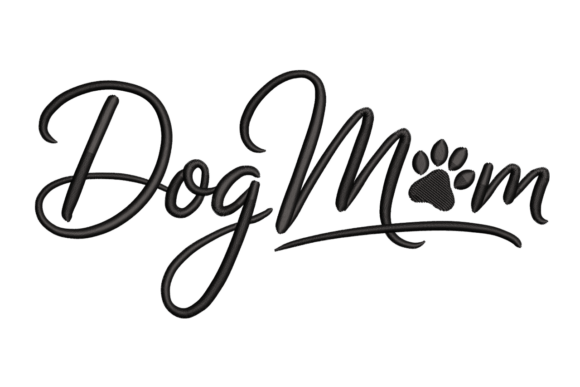
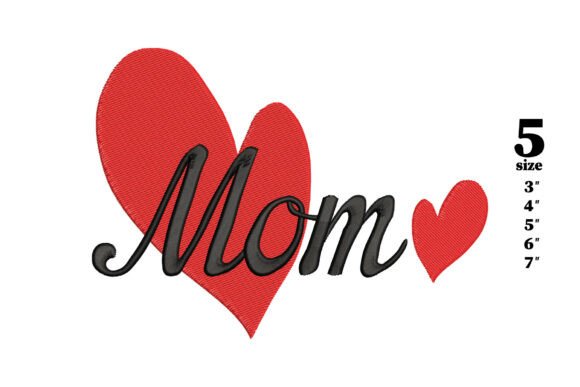
As an embroidery designer who has built countless seasonal collections for holidays, family celebrations, and gift-giving seasons, I have learned to evaluate each machine embroidery design with a critical eye. When I first opened Mom Heart Embroidery, I was immediately struck by its emotional clarity. This is not a design that tries to do too much. The word “Mom” rendered in an elegant, bold black script flows gracefully across the center, and that simplicity is exactly what makes it so versatile for holiday and seasonal product use. Let me walk you through my review process and share why this embroidery file deserves a place in your upcoming collections.
First Impression: Emotional Tone and Seasonal Mood
The first thing I noticed about Mom Heart Embroidery is how it balances classic elegance with heartfelt warmth. The bold black script feels substantial and premium, not flimsy or overly decorative. In terms of seasonal mood, this design lands squarely in the nostalgic and romantic category, with a touch of cozy sentimentality. It does not scream a specific holiday, which is a strength. Instead, it fits naturally into Mother’s Day, Valentine’s Day, family reunions, Christmas gift bundles, and even birthday or anniversary seasons. The emotional tone is one of enduring love, making it appropriate for both everyday wear and special occasion gifting.
From a decorative style perspective, the script is elegant without being fussy. There is enough weight in the lettering to read clearly from a distance, yet the curves keep it feeling personal and handcrafted. This design does not rely on heavy ornamentation, so it works on both minimalist products and more layered, festive items. For seasonal collections, that flexibility means you can create a cohesive line without redesigning the artwork for every product.
Performance in Real Holiday Selling Situations
I have tested Mom Heart Embroidery across several selling scenarios, and it performs consistently well. Here is how it holds up in the most common holiday contexts:
- Etsy listings: The bold, clean lettering photographs beautifully. In product photos, the black thread against a light background creates instant visual contrast that draws the buyer’s eye. Listing thumbnails pop without looking cluttered.
- Craft fair displays: When stitched on a sweatshirt or tote bag, the design reads quickly from across a booth. Customers walking by see the word “Mom” and immediately connect emotionally. That recognition drives impulse purchases, especially during holiday shopping rushes.
- Limited edition apparel: Because the design is classic rather than trendy, you can safely produce a limited drop without worrying about it looking dated next season. The black script has a timeless quality that supports brand consistency across multiple holiday releases.
- Family matching items: I have seen this design used on sets of aprons, kitchen towels, and pillow covers for a coordinated family gift bundle. The consistent bold script ties the pieces together visually, making the bundle feel curated and intentional.
- Social media previews and product mockups: The design’s clean silhouette works well in printable mockups and promotional graphics. It does not require heavy filtering or cropping to look appealing. A simple flat lay of a tote bag with Mom Heart Embroidery is enough to generate engagement.
Where to Use This Design Carefully
No embroidery file is perfect for every surface, and Mom Heart Embroidery has a few considerations I always discuss with fellow sellers before they commit to a production run.
Small Hoop Sizes and Tiny Lettering
If you plan to stitch this design in a very small hoop, such as on a baby bib or a small ornament, test the lettering first. The bold script is designed to be read, and shrinking it too much can cause the strokes to lose their graceful flow. I recommend confirming the minimal hoop size that still maintains the elegance of the lettering. For most commercial embroidery machines, a mid-range hoop gives the best balance.
Thick Towels and Heavy Fabric
When stitching on thick towels or dense kitchen linens, pay close attention to stitch density. The bold black script requires enough coverage to look solid, but if the density is too high on a terry cloth towel, the fabric can pucker or the thread can sink into the loops. Use a quality stabilizer and test a sample before running a full batch. I have seen this design look stunning on a towel when properly stabilized, but the wrong setup can turn a premium product into a return.
Dark Fabric and Metallic Thread
The design is described with bold black script, which obviously works beautifully on light fabric. On dark fabric, you will need to switch to a contrasting thread color, such as white, silver, or gold. If you plan to use metallic thread for a holiday edition, test the thread path carefully. Metallic threads can be finicky with dense lettering, and the bold strokes of Mom Heart Embroidery may need slight tension adjustments. I always advise running a sample with your chosen thread before cutting production fabric.
Stretchy Garments and Curved Caps
For sweatshirts, t-shirts, and other stretchy garments, consider the placement area. The design works best on the chest, center back, or sleeve cuff where the fabric is relatively flat. Curved caps can be more challenging because the script is horizontal and bold. If you plan to stitch on caps, test the alignment and consider a slightly smaller size to follow the curve naturally. A poor fit on a curved surface can make the lettering look distorted, which undermines the premium feel.
Items Requiring Repeated Washing
For products like kitchen towels, baby items, and pillow covers that will be laundered frequently, the bold black script has an advantage: thick lettering tends to hold up better through repeated washing than fine, delicate lines. However, I still recommend testing a wash sample with your chosen thread brand and stabilizer combination. Some black threads can fade or bleed over time, especially if the finished product is washed in hot water. Advise your customers on care instructions to preserve the embroidery’s appearance.
Seasonal Appeal, Buyer Emotion, and Product Value
What makes Mom Heart Embroidery so effective during holiday shopping periods is its ability to trigger an immediate emotional response. The word “Mom” is universally understood, and the elegant script elevates it from a simple label to a heartfelt statement. Buyers shopping for Mother’s Day, Christmas, or a family reunion are already in a gift-giving mindset. When they see this design on a sweatshirt, tote bag, or kitchen towel, they imagine the joy it will bring the recipient. That emotional connection directly increases perceived product value and willingness to pay a premium.
From a giftability standpoint, this design is a safe bet. It is not overly niche, so it appeals to a wide demographic. Grandmothers, mothers, stepmothers, and mother figures all fit under this umbrella. For Etsy sellers and small shop owners, that broad appeal translates to consistent sales across multiple holidays, not just a single date on the calendar. The design also works well for personalized gift bundles, where a customer might pair a sweatshirt embroidery with a matching tote bag design and a kitchen towel embroidery for a complete set.
In terms of visual recognition, the bold black script is highly legible. Whether a customer sees it in a social media scroll, a product mockup, or a craft fair display, they immediately identify the design and its meaning. That fast recognition is crucial during the busy holiday season when shoppers are making quick decisions. Brand consistency also benefits from a design that maintains its integrity across multiple product types. If your shop becomes known for elegant, sentimental embroidery, Mom Heart Embroidery reinforces that identity every time a customer sees it.
Practical Embroidery Designer Notes for Your Collection
Before you add Mom Heart Embroidery to your seasonal lineup, here are the practical steps I recommend based on my own design review process.
- Test thread colors on both light and dark fabric. The design is shown in bold black, but you may want to offer variations in white, navy, burgundy, or gold for different seasons. Stitch samples on your actual production fabric to see how each thread color reads against the background texture.
- Check stitch density carefully. Bold script lettering typically requires enough density to appear solid without being overly stiff. If the density is too high, the fabric may pucker, especially on lighter-weight materials. If too low, the lettering will look thin and cheap. Review the embroidery file in your software and make density adjustments if needed.
- Confirm hoop size before purchasing or listing. Different hoop sizes affect the scale of the design. A larger hoop gives you a bolder statement piece; a smaller hoop suits delicate items like ornaments or baby onesies. Check the file specifications and plan your product dimensions accordingly.
- Use proper stabilizer for each fabric type. For towels and thick fabrics, use a tear-away or cut-away stabilizer with enough support to prevent the stitches from sinking. For stretchy knits, use a cut-away stabilizer to maintain the shape of the lettering. A poor stabilizer choice can ruin an otherwise beautiful design.
- Create realistic mockups for your listings. Customers respond best to images that show the design on an actual product, not just a digital rendering. Stitch a sample and photograph it on a sweatshirt, tote bag, or pillow cover. Use those photos in your Etsy listings, social media previews, and printable promotional graphics. A realistic mockup builds customer trust and reduces returns.
- Review small details after stitching. After your test sew-out, examine the lettering closely. Look for any skipped stitches, uneven tension, or areas where the script loses its elegant flow. Make adjustments in your embroidery software before committing to a production run.
- Plan matching color palettes for seasonal drops. For a Valentine’s collection, pair the black script with red or pink fabric. For a fall family theme, use warm neutrals like cream, rust, or olive. For a Christmas gift line, stitch on forest green, burgundy, or navy. The design itself stays consistent, but the fabric and thread choices create seasonal variety.
- Confirm commercial licensing before selling finished products. Always review the license agreement that comes with your digital embroidery file. Some licenses allow unlimited commercial use, while others restrict the number of finished products you can sell or require attribution. Know the terms before you invest in inventory. This is a step I never skip, and it protects both your business and your reputation.
Final Thoughts on Seasonal Collection Planning
Mom Heart Embroidery is the kind of machine embroidery design that earns its place in a seasonal product lineup through reliability, emotional resonance, and visual clarity. It does not rely on flashy trends or excessive detailing. Instead, it offers a clean, elegant statement that buyers recognize instantly and connect with personally. For embroidery sellers, Etsy shop owners, and small business owners building a holiday collection, this design provides a strong foundation for sweatshirt embroidery, tote bag designs, kitchen towel embroidery, pillow covers, embroidered patches, and gift-ready products.
When you approach seasonal planning, think about how Mom Heart Embroidery can anchor a collection of family-themed items. Pair it with coordinating designs for Dad, Grandma, or a family name to create a matching set. Offer it on multiple product types so customers can choose their preferred gift format. Use realistic mockups and clear product photos to show the design’s true appearance. And always test your thread colors, stabilizer, and fabric combinations before production.
This design is not a gamble. It is a classic, heartfelt piece that will serve your shop well across multiple seasons and holidays. Add it to your collection with confidence, and let the elegant script speak for itself.