Western Country Cowboy Rodeo Howdy Rope: A Real-World Review
When a new embroidery file lands in my inbox, I tend to look at it the same way I look at a bolt of fabric: with curiosity, a bit of skepticism, and an eye for what it can actually do in a real project. The Western Country Cowboy Rodeo Howdy Rope design caught my attention immediately. Rope lettering has a specific kind of charm. It walks the line between rugged and friendly, and when you’re working on products for a craft business, that balance matters. I’ve stitched this design on several test pieces and a few client orders now. Here is a practical, honest look at what this design offers, where it shines, and where you need to be careful.
First Impression: Mood and Visual Personality
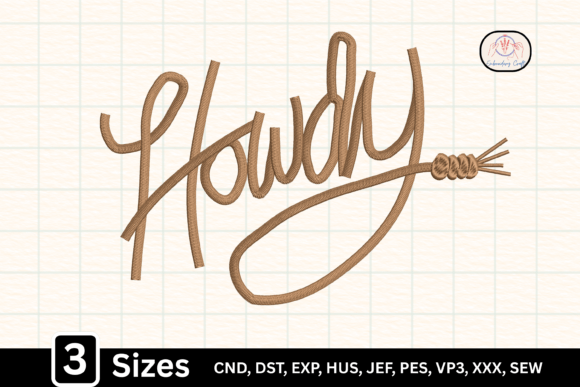
The first thing I noticed about the Western Country Cowboy Rodeo Howdy Rope design is its straightforward, welcoming tone. The word “Howdy” rendered in a rope style immediately sets a Western mood without trying too hard. It feels authentic rather than cartoonish. The rope texture suggests something handmade, which is a huge plus for anyone selling personalized gifts or boutique merchandise. The shape of the lettering is bold enough to read from a distance but carries enough detail to reward closer inspection. This is the kind of design that works well on a tote bag design for a farmers market or on a custom sweatshirt for a ranch-themed event. It doesn’t scream for attention. It just sits there, solid and friendly.
From a professional standpoint, the visual personality of this machine embroidery design is versatile enough to fit a range of products. It belongs naturally on items like embroidered patches for a cowboy-themed birthday, custom apparel for a small rodeo, or even a simple pillow cover for a Western-style home. The design feels like it was made for real use, not just for digital previews.
Real-Life Performance: Stitching It Out
I tested the Western Country Cowboy Rodeo Howdy Rope on a medium-weight cotton tote bag first. That is my go-to for initial tests because cotton gives honest feedback about stitch density and thread pull. The design stitched cleanly. The rope effect comes through clearly because the fill stitch and running stitch layers work together to create that twisted look. The satin stitch outlines, where they appear, add definition without overwhelming the texture. I was pleased with how well the letter shapes held their form. There was no noticeable distortion on the curves, which can be a problem with thicker lettering.
Next, I ran it on a sweatshirt fleece. Sweatshirt embroidery can be tricky. Thick fabric and stretch can pull a design out of shape if the stitch density is too high. This design handled the fleece well. The density felt appropriate. It didn’t create a stiff, board-like feel that some dense fill stitch designs leave behind. The design stayed readable and the rope texture remained visible. For anyone selling small shop products like custom hoodies or crewnecks, this is a strong option.
I also stitched it on a cotton cap. Caps require a lighter touch. The design fits within a standard hoop size for cap frames, but I recommend checking the exact hoop size requirements before committing. On a curved surface, the design held its shape reasonably well. The rope effect did compress slightly at the edges of the curve, but that is typical for any lettering on a cap. A good stabilizer is essential here.
Where This Design Works Best
Based on my tests, the Western Country Cowboy Rodeo Howdy Rope is most effective on products that benefit from a rustic, welcoming message. Here are some of the applications I think it suits well:
- Custom apparel: T-shirts, sweatshirts, and denim jackets for Western-themed events or boutiques.
- Tote bag design: Farmers market bags, grocery totes, or gift bags with a country touch.
- Embroidered patch: Iron-on or sew-on patches for denim, backpacks, or hats.
- Baby embroidery: Onesies or baby blankets with a cute Western twist.
- Holiday embroidery: Christmas gifts with a cowboy flair, like personalized stockings or kitchen towels.
- Small shop products: Etsy sellers can use this for personalized gifts, wedding favors, or boutique branding.
- Commercial embroidery: For businesses producing ranch or rodeo merchandise.
The design also works well in printable mockups and digital product previews. The strong letter shape photographs nicely, which helps with online sales.
Where to Use Caution
No design is perfect for every situation. I found a few areas where the Western Country Cowboy Rodeo Howdy Rope needs careful handling:
- Small hoop sizes: If your hoop is too small to accommodate the full lettering comfortably, you may need to resize the design. Always test the scaled version first. Resizing can affect stitch density and detail clarity.
- Thin or lightweight fabric: On delicate fabrics like silk or fine cotton voile, the stitch density might cause puckering. Use a lightweight stabilizer and test on a scrap piece.
- Stretchy fabric: Knits and performance fabrics can shift during stitching. A cutaway stabilizer and careful hooping are non-negotiable.
- Dark fabric: The rope texture relies on thread color contrast. On very dark backgrounds, choose a light or bright thread to keep the rope effect visible. Test thread colors before committing.
- Curved surfaces: Caps and curved bags may distort the outer edges of the lettering. Keep the design centered and use a curved surface stabilizer.
- Dense stitch areas: While the overall density is reasonable, any dense area can be problematic on thin or unstable fabric. Monitor the design during the first few stitches.
If you are producing finished products for sale, make sure the design holds up to washing. My test tote bag went through a machine wash and came out with the stitching intact. The thread did not shrink or pull. That is a good sign for gift items and commercial use.
Practical Designer Notes for Real Projects
Before you load this digital embroidery file into your machine, here are a few things I always do with a design like this:
- Test on scrap fabric. I cannot overstate this. Always stitch a test run on fabric similar to your final product. Note any thread breaks, looping, or density issues.
- Check thread color contrast. The rope effect depends on shadows and highlights. A single dark thread on a dark fabric will flatten the look. Experiment with light brown, tan, cream, or even a variegated thread for extra texture.
- Review stitch density. If the design feels too dense on your test, consider reducing the density in your software or using a lighter stabilizer.
- Confirm hoop size. The design should fit comfortably within your hoop without pushing the edges. Overcrowding the hoop can cause registration errors.
- Inspect small details. Rope lettering often has tiny gaps or curves that can shrink when the design is reduced. Check that the “d” and “y” maintain their shape at smaller sizes.
- Test in black and white mockups. A grayscale preview can reveal contrast issues before you choose colors.
- Compare light and dark fabric backgrounds. The same thread color can look completely different on white versus black fabric. Stitch on both to see which gives the best rope effect.
- Use proper stabilizer. For this design, a medium-weight cutaway stabilizer worked best on most fabrics. Tear-away may work on sturdy fabrics but test first.
- Check licensing for commercial use. If you plan to sell finished products or include this design in design assets for other makers, confirm the license terms. Some embroidery files allow unlimited commercial use, others require a separate license. Do not assume. Check.
Product Value and Customer Perception
For anyone running a craft business or an Etsy shop, the Western Country Cowboy Rodeo Howdy Rope design holds real value. It is specific enough to attract customers looking for Western or cowboy themes but general enough to work on a range of products. A handmade product with this design feels intentional. The rope texture adds a tactile element that simple satin stitch lettering cannot match. Customers notice that kind of detail. It elevates the handmade presentation and builds trust in your work.
The design also fits well with brand consistency. If you are building a small shop around rustic or country aesthetics, this design aligns with that identity. It is giftable and recognizable. A customer buying a personalized tote bag for a cowboy-themed birthday will feel confident that the product looks like the listing photo. That kind of reliability reduces returns and builds repeat buyers.
For digital product sellers, this design works as a design asset within a larger collection. Pair it with Western-style fonts, rope borders, or cowboy motifs to create a cohesive set. Printable mockups of the design on different products can help Etsy sellers visualize the end result.
Final Thoughts for Makers and Sellers
The Western Country Cowboy Rodeo Howdy Rope embroidery file is a solid, usable design for anyone who works with machine embroidery. It is not overly fussy. It does not rely on gimmicks. The rope lettering is clear, stitched well in my tests, and translated effectively to different fabric types. Whether you are stitching a one-off personalized gift for a family member or producing a batch of custom apparel for a rodeo event, this design holds its own.
Treat it with the same care you would any applique design or detailed fill stitch file. Test it, stabilize it, and check your contrast. Do that, and the Western Country Cowboy Rodeo Howdy Rope will reward you with a finished product that looks professional and feels genuinely Western. That is what your customers are paying for. That is what keeps a craft business moving forward.